R250 = 1 tree100% indigenousYouth-led in DurbanPart of SA's One Billion Trees movement
Small actions, big change ♡
Mia's Story
A deep love for the bush
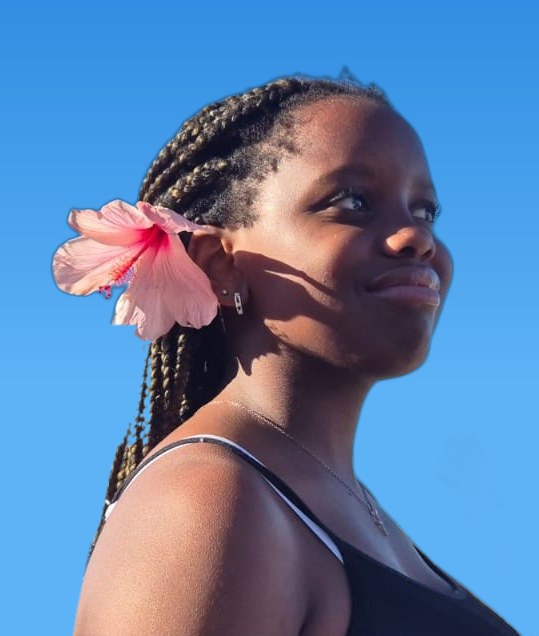
I’m Mia, a 17-year-old from Durban, and I’ve always had a deep love for the bush. Every holiday I could, I was in nature: exploring, hiking, and feeling at home among the trees and wildlife. That love for the outdoors and my passion for the environment has always been a huge part of who I am.
I wanted to do something that wouldn’t only benefit me, but also the people and the environment around me. I want to leave my mark on this city, something that will be here for years to come.
So I'm starting with what I know best. Trees.
Where it all started
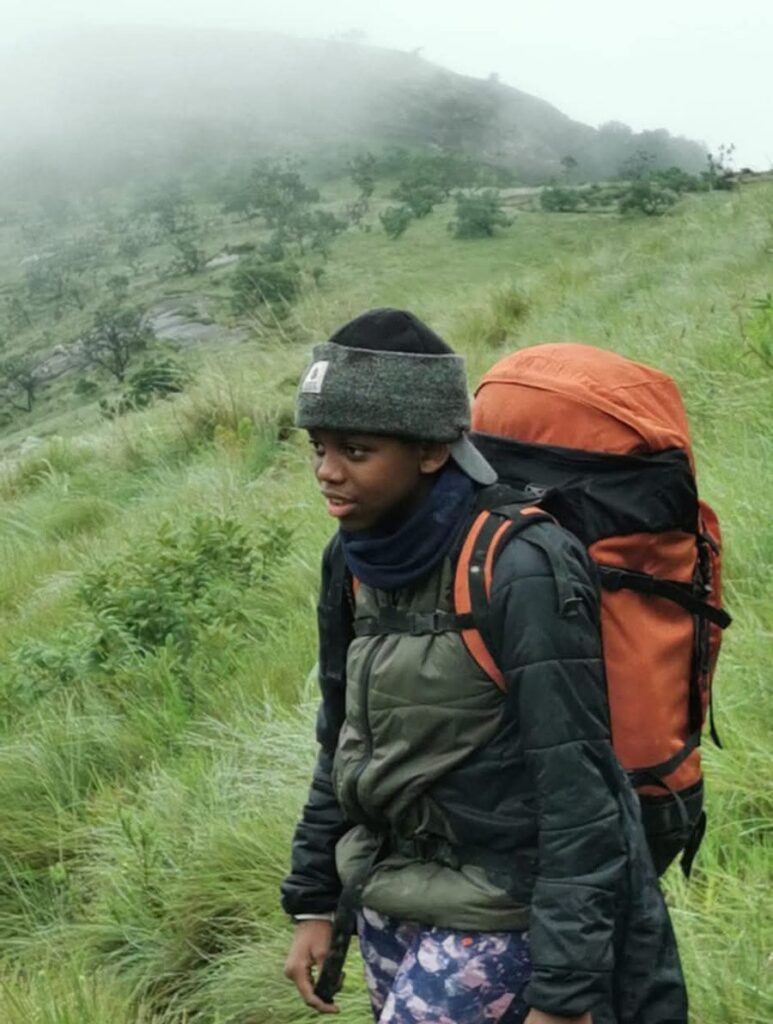
Every step connects us to nature ♡
My Vision
A greener Durban where people and wildlife thrive together
I want to create a greener Durban where people and wildlife can thrive together. A city with more trees, more green spaces, and more opportunities for communities to get involved and make a difference.
Someday, I hope this can grow into something bigger: a place where people, nature and wildlife are always connected.
Healthy trees = healthy people = a healthier planet ♡
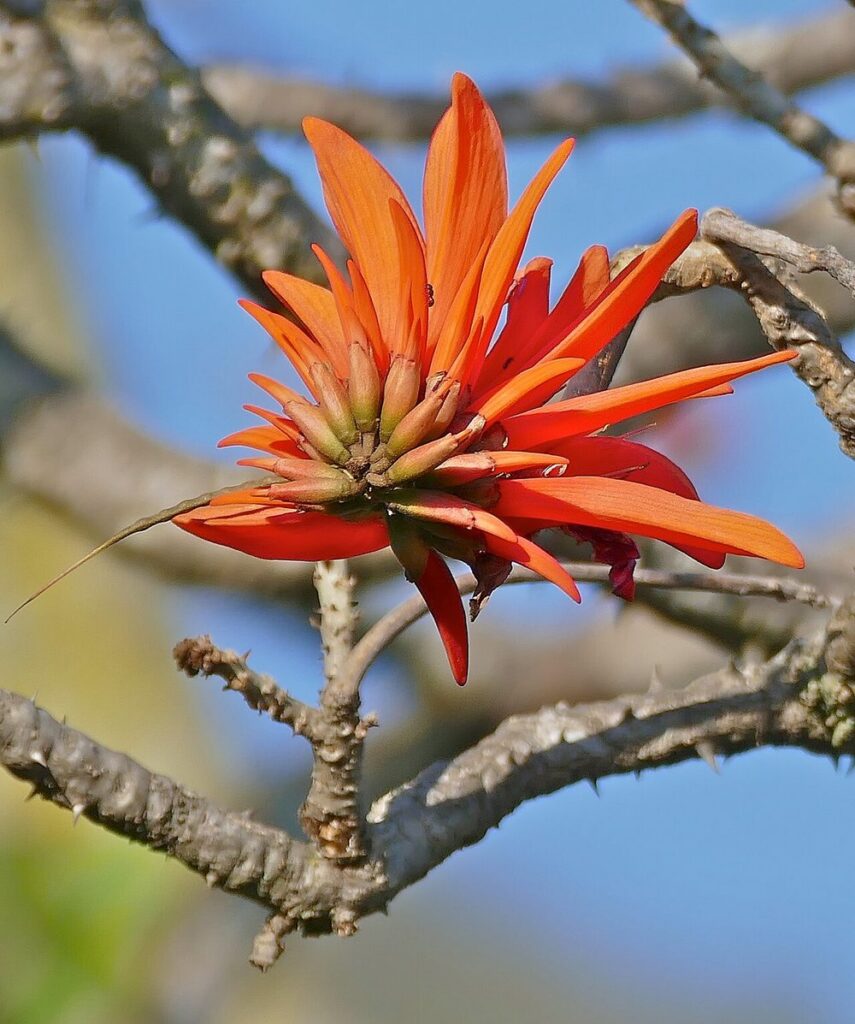
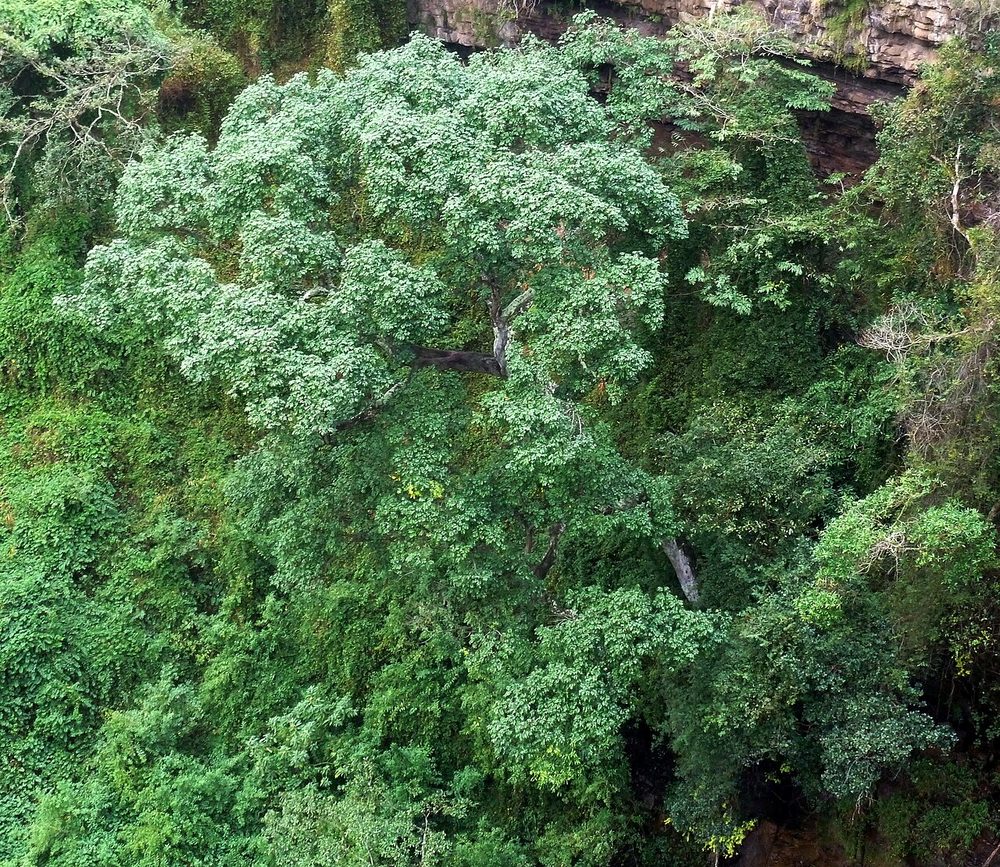
Coral tree ♡Erythrina lysistemon · Ithala Game Reserve, KZN
The What, How & Why
What?
I plant indigenous trees in local areas of Durban. Trees help restore green spaces, support wildlife and make our city healthier and more beautiful.
How?
People donate money, and I use those contributions to buy indigenous tree saplings. Then I plant them in my local area with the support of the community group On the Verge.
Why?
I grew up loving the bush, and my passion for the environment and wildlife has always been part of who I am. I want to give back to the city I call home, create spaces where people can come together, and help wildlife thrive. This is about leaving a legacy.
Trees. People. Wildlife.
This isn’t just about planting trees. It’s about building a stronger, greener, more connected community. When we plant indigenous trees, we’re not just helping the environment. We’re creating a home for wildlife, a cleaner city, and a space for people to come together.
TreesCleaner air and greener spaces
PeopleStronger communities
WildlifeBiodiversity and healthier habitats
Roots that outlast me
I finish school at the end of 2027. Mia’s Roots is built to keep growing after that.
Sep 2026 – Mar 2027
Seed
Launch the website and crowdfunding campaign. First planting day with On the Verge, in time for the summer rains.
2027 · matric year
Root
Regular planting days each rainy season. Bring school friends and other schools in. Report every tree on the Tree Tracker.
2028 onwards
Grow
Youth ambassadors take on planting days while I stay on as founder. Businesses adopt their own groves.
The long view
Canopy
Today’s saplings become shade, fruit and nesting trees. A living forest Durban can walk under for decades.
Greening Durban
Right tree, right place
We plant trees that grow naturally in Greater Durban first, then across KwaZulu-Natal. A Cape tree is not a Durban tree. Indigenous trees evolved here. They feed local birds, bees and butterflies, cope with our climate, and use water more gently than many invasive species. Some invasive trees draw heavily on groundwater and crowd out the plants our wildlife depends on. Replacing them with indigenous trees helps rebuild a natural ecosystem, one sapling at a time.
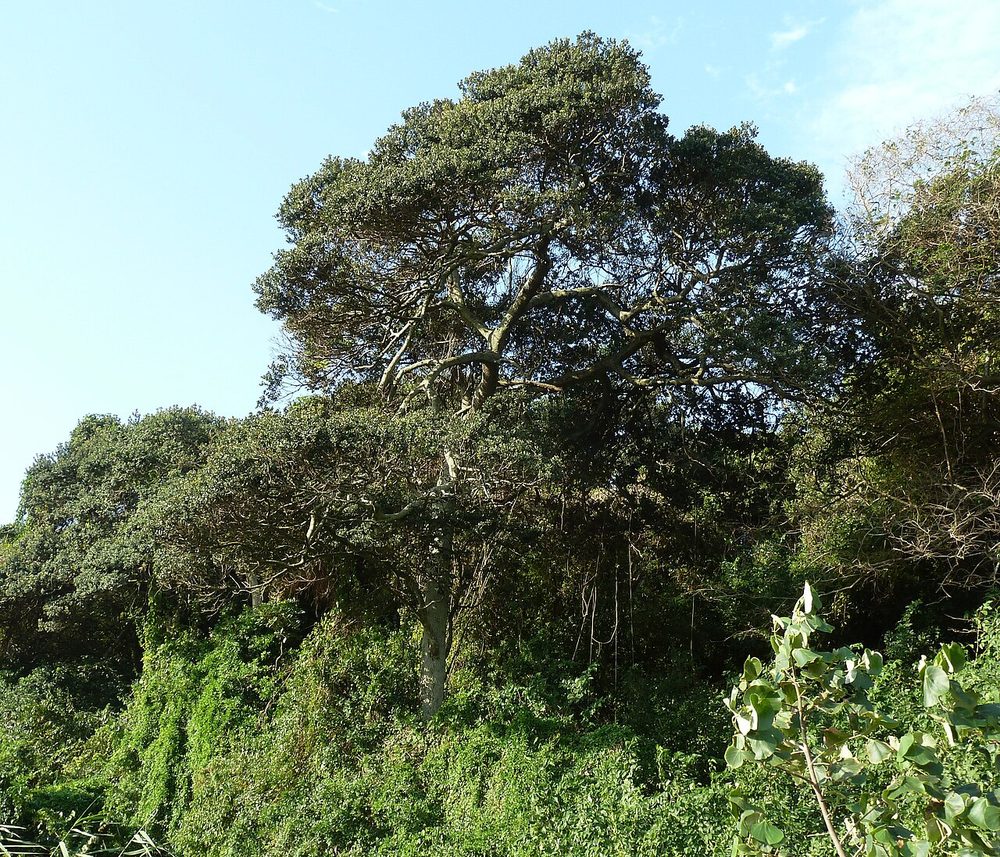
Coastal red milkwood ♡Mimusops caffra · Umhlanga Lagoon Nature Reserve
Trees we plant
Indigenous to Greater Durban first, then the rest of KwaZulu-Natal. Final choice depends on each site.
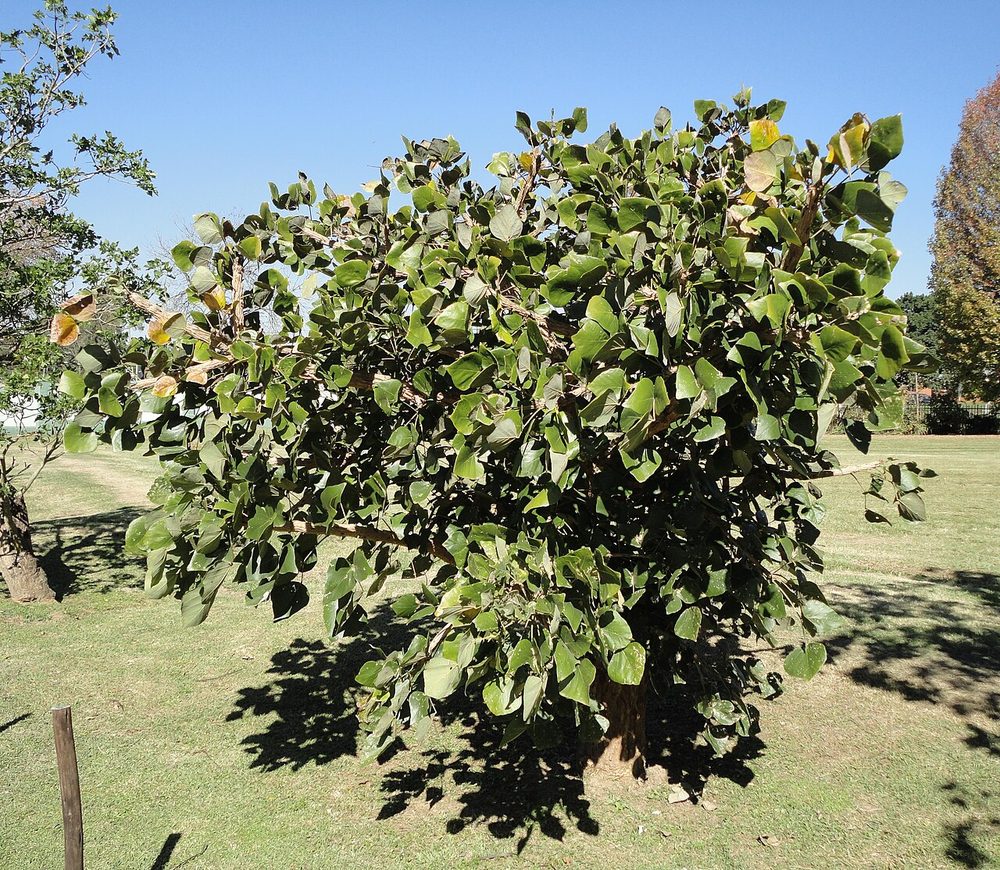
Coast coral tree ♡Erythrina caffra · KZN Botanical Garden, Pietermaritzburg
Bird magnet
Coral tree
Erythrina lysistemon
Bright red winter flowers full of nectar for sunbirds.
Street & park
Wild plum
Harpephyllum caffrum
Evergreen shade tree with fruit that birds and monkeys love.
Wet areas
Water berry
Syzygium cordatum
Grows along streams and wetlands and helps hold riverbanks together.
Big shade
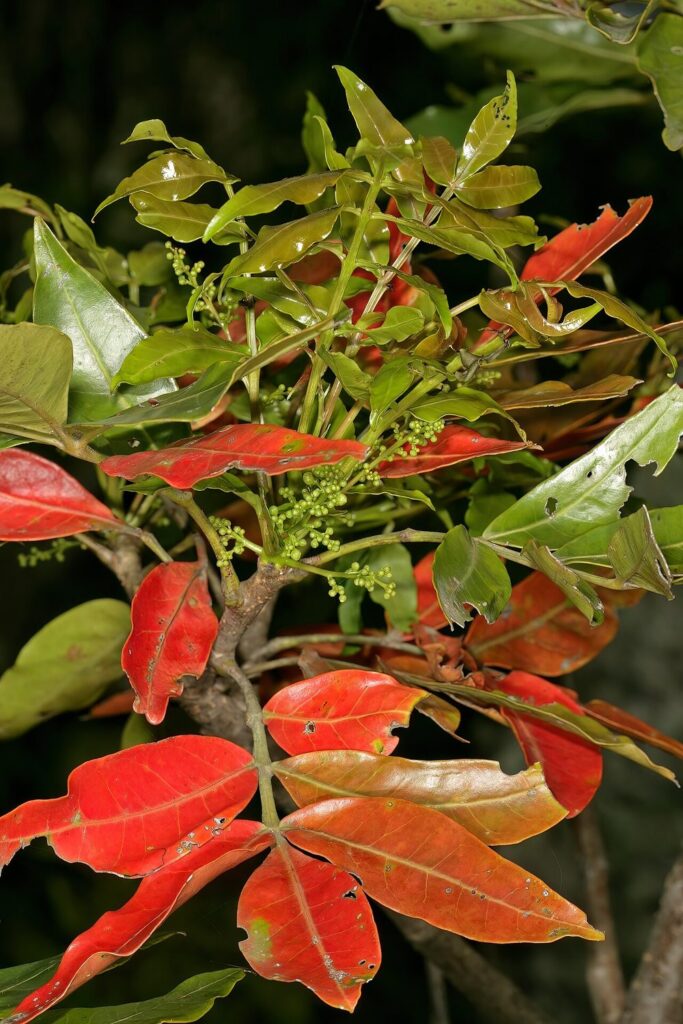
Natal & forest mahogany
Trichilia emetica & T. dregeana
Wide, dark-green canopy; seeds feed many birds. Forest mahogany grows wild in Krantzkloof.
Coastal
Coastal red milkwood
Mimusops caffra
Tough against wind and salt spray; ideal near the coast and dunes.
Small spaces
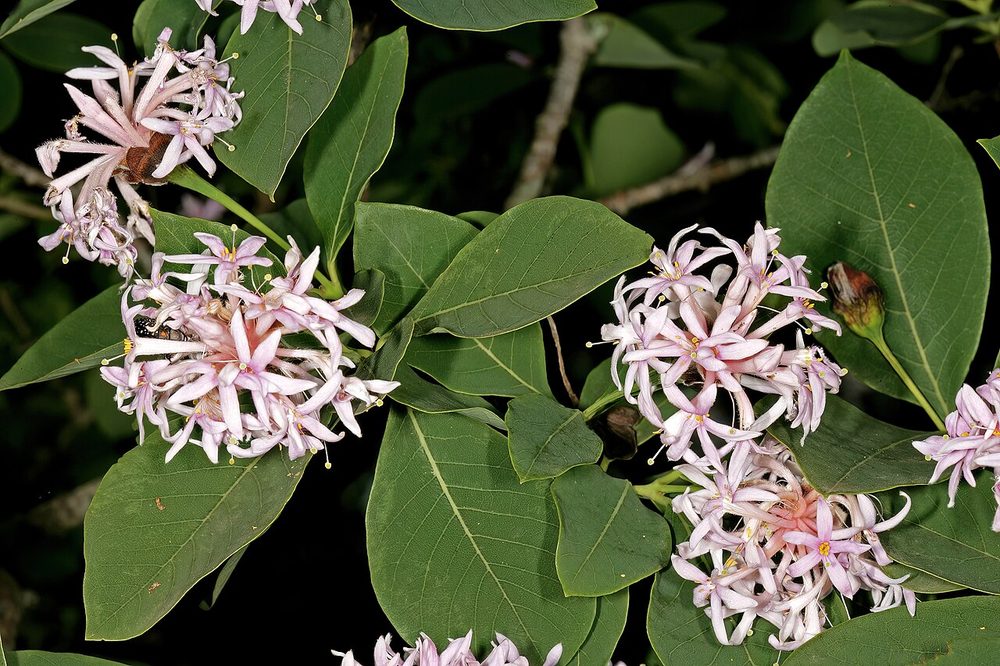
Pompon tree
Dais cotinifolia
Small tree with pink flower balls, perfect for verges and gardens.
What we help replace
Common invasive species around Durban.
Invasive
Syringa
Melia azedarach
Spreads fast along roads and rivers and its berries are poisonous.
Invasive
Brazilian pepper tree
Schinus terebinthifolius
Forms dense thickets that shade out indigenous plants.
Thirsty
Gum & wattle
Eucalyptus & Acacia spp.
Use large amounts of water, lowering water tables and stream flow.
Large invasive trees are only removed with the right permissions and by trained teams. Our volunteers focus on planting and on pulling up invasive seedlings.
A national movement
Durban's trees, South Africa's billion
In April 2026 South Africa launched the Presidential One Billion Trees campaign: one billion trees in five years, as part of the National Greening Programme. President Cyril Ramaphosa has described it as a response to “the spatial inequality created by apartheid-era urban planning”, where some suburbs were given tree-lined streets and others were left bare. The campaign puts indigenous trees first and targets invasive species that drain surface water. That’s exactly what Mia’s Roots does, one Durban street at a time.
“Together, we can achieve our goal of planting one-billion trees across South Africa over the next five years.”President Cyril Ramaphosa, October 2026
1 billion
trees to be planted across South Africa in five years
7.1 million+
planted nationally since April 2026
1 million+
already planted in KwaZulu-Natal
Every tree
Mia’s Roots plants will be registered with the national programme, with a photo and GPS location
Figures from the Department of Forestry, Fisheries and the Environment and the Presidency, September–October 2026. Mia’s Roots is an independent youth project, not affiliated with government.
How a planting day works
You donate
Every rand raised on BackaBuddy goes into the tree fund.
We buy saplings
Indigenous saplings from local nurseries, chosen for each site.
We agree the site
Sites are chosen with On the Verge and, where needed, the municipality.
We plant together
Volunteers clear invasive seedlings, then plant, mulch and stake each tree.
We care for them
A watering rota looks after each tree through its first dry season.
We report back
Every tree is logged with a photo and location on the Tree Tracker.
Tree Tracker
Every tree, counted
Your support, made visible. This page is updated after every planting day.
0trees planted
R0raised
0planting sites
0volunteers
Goal: 500 trees by the end of 20270% of the way
Our first planting day is coming soon.
Every tree we plant also counts towards South Africa's Presidential One Billion Trees campaign.
Grow your own grove
Slide to choose a donation and watch your trees appear.
R250= 1 tree
R50R25,000
Your own tree, logged with a photo and GPS on our Tree Tracker.
A grove grows from one sapling ♡Coral tree · Forest mahogany · Pompon tree: all indigenous to KwaZulu-Natal
Our Plantners
Our Plantners: the partners who plant with us
Every tree goes in the ground thanks to these people.
OtV
Community greening partner
On the Verge
A local Durban organisation greening and beautifying our suburbs, one verge at a time. They help choose planting sites, run planting days and bring the volunteers.
I’ll be sharing updates, photos, planting days and the impact your support makes. To volunteer, sponsor a grove or suggest a site that needs trees, email me.